Tuesday, December 2, 2025

Planning a Trip to Peru? Read the Latest Travel Advisory First

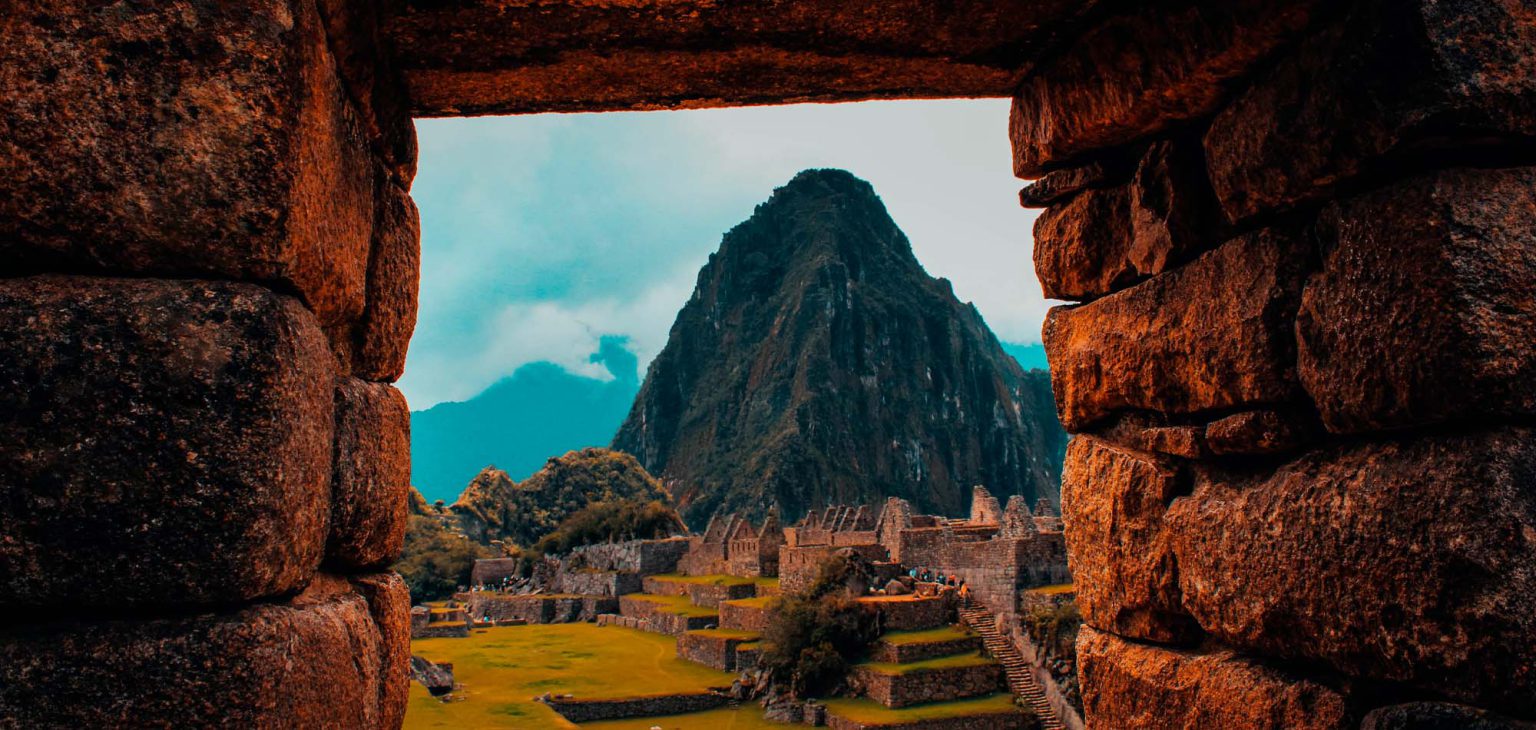
Peru has always been one of South America’s most captivating destinations. From ancient Inca history to the soaring Andes, bustling markets, and world-famous cuisine, it’s easy to see why millions travel here every year. But before packing your bags, it’s essential to stay updated on the latest travel advisory. Policies change, certain areas face civil unrest occasionally, and local rules may affect your trip.

Whether you’re planning a cultural escape, an adventure trek, or exploring cusco tour packages, this guide will help you prepare smartly, travel safely, and enjoy Peru with confidence.


Why Travel Advisories Matter for Peru

Travel advisories offer real-time updates on:

  • Political or social protests

  • Road blockages

  • Weather alerts (floods, landslides, heavy rains)

  • Health and safety risks

  • Entry requirements and airport guidelines

Peru is generally safe for tourists, especially in popular areas like Lima, Cusco, Arequipa, Sacred Valley, and Machu Picchu. However, rural areas and border zones can sometimes experience disruptions. Being informed ensures you avoid unexpected delays and stressful situations.

Current Travel Advisory Overview

1. Safety in Tourist Areas

Major tourist cities—including Cusco, Lima, and Arequipa—remain stable and well-patrolled. Police presence in tourist zones is strong, and many hotels and tour operators offer additional safety measures. Theft can happen in crowded places, so basic precautions are enough.

2. Protests and Road Closures

Peru occasionally faces local protests, especially over transportation or regional issues. These typically take place in rural areas, but sometimes affect highways or travel routes to and from major cities.

What to do:

  • Check local news before traveling between cities.

  • Ask your hotel or tour operator for daily updates.

  • Keep your schedule flexible by one day in case of delays.

3. Weather-Related Updates

The Andes can experience landslides in the rainy season (January–March). This may temporarily affect train services and trekking routes.

Travel tip:
Always confirm train schedules to Machu Picchu 24–48 hours before your visit.

Health & Entry Requirements

Vaccinations

Regular travel vaccines (hepatitis A/B, yellow fever for jungle regions) are recommended. No mandatory vaccination is currently required for entry.

Altitude Awareness

Destinations like Cusco, Lake Titicaca, and parts of the Sacred Valley sit at high altitudes. Expect symptoms like headache or fatigue in the first 24 hours.

How to manage:

  • Rest on your first day

  • Stay hydrated

  • Avoid alcohol

  • Drink coca tea (a local remedy)

Airport & Immigration Notes

Peru allows visa-free entry for many countries for up to 90 days. Immigration procedures are smooth, but ensure your passport is valid for at least six months.

Which Areas Should You Avoid?

While Peru is safe overall, some remote border areas near Colombia, Brazil, and illegal mining zones can be unpredictable. These places are not part of standard tourist itineraries.

Stick to established tourist corridors:

  • Lima

  • Cusco

  • Sacred Valley

  • Machu Picchu

  • Arequipa

  • Puno

  • Paracas & Nazca

  • Amazon lodges near Iquitos and Puerto Maldonado

These areas have consistent security, tourist infrastructure, and emergency support.

How to Stay Safe During Your Trip

Here are simple, practical tips for a stress-free visit:

  • Use registered taxis or app-based services like Uber & Cabify.

  • Keep your valuables in hotel safes.

  • Avoid deserted streets late at night.

  • Don’t display expensive items openly.

  • Book tours with reputable local agencies.

If you’re traveling with Go Xplore Peru, you receive real-time updates, reliable transportation, and safe, well-organized itineraries—making your trip smoother and more enjoyable.

What Travelers Can Expect on Arrival

The atmosphere at the airport is welcoming and efficient. Tourist desks offer guidance, and airport staff are accustomed to international visitors. Transportation to the city is simple, with many prepaid taxi options available.

In cities like Cusco and Lima, you’ll find:

  • ATM access

  • Pharmacies

  • Bilingual guides

  • Tourist police

  • Easy SIM card availability

Everything is traveler-friendly and designed for convenience.

Final Thoughts

Peru continues to be one of the safest and most rewarding destinations in South America. The travel advisories simply encourage visitors to stay alert, plan ahead, and travel responsibly. With updated information and a reliable tour operator, your journey will be unforgettable.

Whether you’re exploring ancient temples, tasting local cuisine, or trekking through Andean landscapes, a little preparation goes a long way.

If you want help planning a safe, smooth, and memorable Peruvian adventure, I can also create a custom itinerary for you.

Tuesday, November 18, 2025

Hidden Gems to Look For in Cusco Peru Vacation Packages

When most travelers think of Cusco, their minds go straight to Machu Picchu—and for good reason. But the ancient capital of the Inca Empire holds far more than the postcard landmarks everyone already knows. The real magic lies in the small corners, the overlooked ruins, the local markets, the mountain villages, and the authentic cultural touches that transform a simple trip into a once-in-a-lifetime adventure.

If you're comparing cusco peru vacation packages, knowing the hidden gems to look for can help you choose a trip that feels richer, more personal, and far less crowded than the typical tourist route.


1. The Bohemian Charm of San Blas

San Blas is often called the “artists’ neighborhood,” and it’s easy to see why. Cobblestone streets wind past small workshops, artisan galleries, and coffee shops perfect for slow afternoons.

Look for packages that include time to explore this picturesque area—you’ll discover handmade souvenirs, local crafts, and some of the best views overlooking Cusco.

2. The Overlooked Ruins of Tipón

While everyone rushes to Sacsayhuamán or Ollantaytambo, Tipón quietly sits on the edge of the Sacred Valley—rarely crowded and surprisingly breathtaking.

Its ancient water channels are engineering masterpieces, still functioning centuries later. It’s one of those spots that gives you space to breathe, wander, and feel the Inca culture without the usual crowds.

3. The Rainbow Mountain Alternatives

Vinicunca (Rainbow Mountain) is stunning, but its popularity has exploded. Ask if your cusco peru vacation packages include lesser-known alternatives like Palccoyo Rainbow Mountain.

Palccoyo offers the same colorful landscapes with far fewer people—and a more relaxed hike, ideal for those who want beauty without the altitude pressure.

4. The Salineras de Maras at Sunset

Most tours visit the Maras Salt Mines in the middle of the day, but the real magic happens during golden hour. The salt terraces glow in warm tones, and the valley quiets down.

Seek packages that give you flexibility or include a sunset visit. It’s easily one of the most peaceful—and photogenic—moments you’ll find in the Andes.

5. Chinchero’s Authentic Weaving Community

Skip the mass-produced markets and head to Chinchero, where local weaving cooperatives still create textiles by hand using natural dyes.

A package that includes a Chinchero cultural experience gives you a deeper connection to Andean heritage, allowing you to meet the women who preserve these traditions.

6. A Food Tour That Goes Beyond the Basics

Ceviche and lomo saltado are delicious, but Cusco’s culinary scene is so much richer. From street-side anticuchos to chicha morada workshops, a good itinerary will introduce you to flavors you won’t find in typical restaurants.

Look for food tours or cooking classes with local chefs—these often end up being trip highlights.

7. The Quiet Mountain Village of Huarocondo

If you’re craving something truly off-the-beaten-path, keep an eye out for Huarocondo. This small Andean town is known for its colonial architecture, slow-paced charm, and legendary roast pork.

It’s a simple place—yet incredibly memorable.

8. Hidden Viewpoints Around the Sacred Valley

Some packages take you from site to site without stopping at the viewpoints that make the Sacred Valley so extraordinary.

Ask if your itinerary includes scenic spots along the route—these panoramic stops often end up being some of the most jaw-dropping photos of your entire trip.

Final Thoughts

Choosing the right Cusco itinerary isn’t just about seeing the famous highlights—it’s about discovering the small, meaningful places that most travelers miss. When reviewing vacation options, look for these lesser-known treasures that add depth, culture, and authenticity to your journey.

For travelers wanting thoughtfully curated experiences that go beyond the obvious tourist trail, Go Xplore Peru is one of the top providers to consider.

Wednesday, November 12, 2025

Discover the Ultimate Inca Jungle Trek 4 Days Adventure


Join Go Xplore Peru for an exciting Inca Jungle Trek 4 Days experience. Ride, hike, and zipline through lush valleys and ancient trails before reaching the breathtaking Machu Picchu. Adventure, culture, and nature.

Friday, October 31, 2025

2 Day Machu Picchu and Sacred Valley Tour with Go Xplore Peru

Peru is home to some of the world’s most breathtaking archaeological treasures, and none shine brighter than Machu Picchu and the Sacred Valley. A Machu Picchu and Sacred Valley Tour offers travelers the chance to step back in time, exploring ancient ruins, traditional Andean villages, and awe-inspiring mountain landscapes. This combination tour is perfect for those who want to experience both the cultural and natural wonders of the Inca civilization in one unforgettable trip.

Why Choose the Machu Picchu and Sacred Valley Tour

The Sacred Valley of the Incas, located between Cusco and Machu Picchu, is a lush, fertile region dotted with Incan ruins, vibrant local markets, and traditional Quechua communities. By combining the Sacred Valley with Machu Picchu in a single itinerary, travelers can fully appreciate the continuity of Incan culture—from the agricultural terraces of Pisac and Ollantaytambo to the majestic royal citadel of Machu Picchu.

This tour is ideal for those who want to acclimatize to the altitude before visiting Machu Picchu while enjoying scenic train rides, charming towns, and authentic cultural experiences.

Highlights of the Sacred Valley

The Sacred Valley is filled with iconic sites and hidden treasures. Here are the top highlights you’ll experience on your Machu Picchu and Sacred Valley Tour:

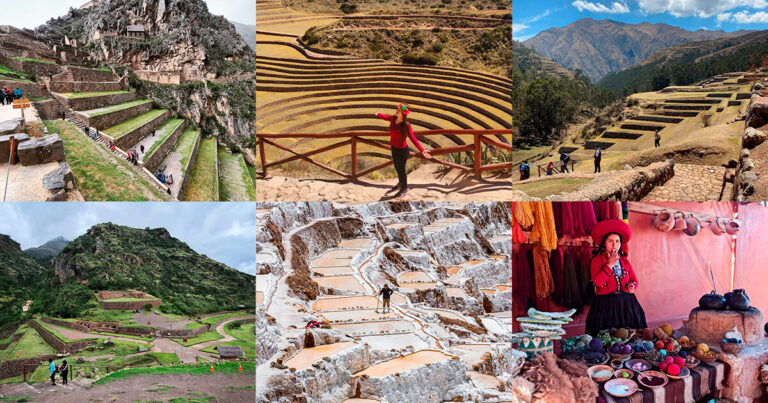
  • Pisac Ruins and Market – Explore ancient agricultural terraces and shop for handmade crafts at one of Peru’s most colorful markets.

  • Ollantaytambo Fortress – Marvel at this impressive Inca stronghold, known for its massive stone terraces and strategic location.

  • Moray and Maras – Discover the circular agricultural terraces of Moray and the stunning salt mines of Maras, where salt has been harvested since Incan times.

  • Urubamba Valley – Enjoy the scenic beauty of this fertile valley surrounded by snow-capped peaks and tranquil rivers.

The Journey to Machu Picchu

After exploring the Sacred Valley, the adventure continues with a scenic train ride to Aguas Calientes, the gateway to Machu Picchu. Travelers can choose from various train options—such as the Expedition, Vistadome, or luxurious Hiram Bingham service—depending on their preferences and budget.

Upon arrival, most tours include an overnight stay in Aguas Calientes, giving travelers the chance to rest before ascending to Machu Picchu, one of the New Seven Wonders of the World.

Experiencing Machu Picchu

Standing atop the mountain ridge surrounded by mist and greenery, Machu Picchu leaves every visitor in awe. The ancient citadel is divided into agricultural and urban sectors, with temples, plazas, and observatories that reveal the architectural brilliance of the Incas.

Some of the must-see areas include:

  • The Temple of the Sun

  • The Intihuatana Stone (Sun Clock)

  • The Sacred Plaza

  • Huayna Picchu Mountain (optional hike with panoramic views)

A professional guide will help you understand the deep symbolism, astronomical alignments, and daily life of the Incas who once lived here.

Best Time to Visit Machu Picchu and the Sacred Valley

The best time to take a Machu Picchu and Sacred Valley Tour is during the dry season (May to October). Clear skies make for ideal hiking and photography conditions. However, the green season (November to April) offers fewer crowds and vibrant landscapes—perfect for travelers seeking a quieter experience.

Itinerary 

Day 01: Cusco – Chinchero – Moray – Maras Salt Mines – Aguas Calientes

Your Machu Picchu and Sacred Valley Tour begins early in the morning, with a hotel pick-up between 6:30 AM and 7:00 AM. As you leave Cusco, the scenic drive takes you through the Andes, past valleys carved by ancient rivers and dotted with small farming communities.

Chinchero: A Living Andean Village

The first stop is Chinchero, a traditional village known for its colorful culture and deep-rooted Incan heritage. Here, you’ll visit an interpretation center where locals demonstrate how they dye alpaca and llama wool using natural ingredients like flowers, roots, and minerals. You’ll see centuries-old weaving techniques still practiced today — a beautiful example of how Incan traditions live on in daily life.

  • Altitude: 3,762 meters above sea level

  • Highlight: Cultural demonstration of Andean textile art

Moray: The Incan Agricultural Laboratory

Next, the journey continues to Moray, one of the Sacred Valley’s most fascinating archaeological sites. The circular terraces of Moray were used by the Incas as an agricultural laboratory. Each level has its own microclimate, allowing the Incas to experiment with growing crops from different altitudes.

This stop offers incredible photo opportunities and deep insight into the Incas’ advanced understanding of agriculture and science.

Maras Salt Mines: The White Wonder of the Andes

After Moray, you’ll visit the Maras Salt Mines, also known as Salineras de Maras. These ancient salt terraces have been in use since pre-Incan times and continue to operate today. Thousands of small salt pools create a mesmerizing geometric landscape that gleams under the sun.

You’ll walk along narrow paths, admire the beauty of the salt pans, and learn how the locals still produce and trade salt using ancient techniques.

  • Highlight: Walk through 3,000+ salt ponds, still harvested by hand

Urubamba and Ollantaytambo: Gateway to Machu Picchu

After exploring Maras, the tour heads to Urubamba Province, where you’ll enjoy a buffet lunch at Tunupa Restaurant, one of the top dining experiences in the Sacred Valley. Surrounded by stunning views and local flavors, this is the perfect moment to relax and recharge.

Later, the journey continues to Ollantaytambo, an impressive Inca fortress and ceremonial site. You’ll explore its massive terraces, ancient temples, and narrow cobblestone streets — one of the few remaining Inca towns still inhabited today.

In the evening, you’ll board the PeruRail Expedition train to Aguas Calientes, the base town of Machu Picchu. Upon arrival, check into your hotel and rest for the next day’s highlight — visiting the majestic Machu Picchu.

Day 1 Statistics

  • Distance Traveled: 120 km (by bus and train)

  • Highest Altitude: 3,762 m (Chinchero)

  • Lowest Altitude: 2,040 m (Aguas Calientes)

  • Route: Cusco – Chinchero – Moray – Maras – Ollantaytambo – Aguas Calientes

  • Difficulty Level: Easy to Moderate

Day 02: Aguas Calientes – Machu Picchu – Cusco

Wake up early and enjoy a hearty breakfast at your hotel in Aguas Calientes. This is the most exciting day of your Machu Picchu and Sacred Valley Tour.

You’ll walk to the bus station and take a 20-minute ride up to the Machu Picchu Sanctuary, surrounded by lush mountains and clouds slowly unveiling the Lost City of the Incas.

Exploring Machu Picchu

At the entrance, your professional guide will meet you for a two-hour guided tour through the ancient citadel. During the visit, you’ll explore the most iconic structures of Machu Picchu, including:

  • The Temple of the Sun

  • The Temple of the Moon

  • The Temple of the Condor

  • The Sacred Plaza and Royal Tombs

As you wander through terraces and temples, you’ll learn about the Incas’ advanced engineering, spirituality, and daily life. The panoramic views and spiritual atmosphere make this one of the most memorable travel experiences in the world.

After the guided tour, you’ll have free time to explore on your own — hike to the Sun Gate (Inti Punku) or the Inca Bridge, take breathtaking photos, or simply absorb the mystical energy of the site.

Return to Cusco

Later, descend by bus to Aguas Calientes. You can relax at the hot springs (optional) or enjoy a snack in the local cafes before boarding the train back to Ollantaytambo.
From there, private transport will take you back to Cusco, where your incredible journey concludes in the evening.

Day 2 Statistics

  • Distance Traveled: 100 km (by bus and train)

  • Highest Altitude: 2,430 m (Machu Picchu)

  • Lowest Altitude: 2,040 m (Aguas Calientes)

  • Route: Aguas Calientes – Machu Picchu – Ollantaytambo – Cusco

  • Difficulty Level: Moderate

What’s Included in the Machu Picchu and Sacred Valley Tour

✅ Pick-up from your hotel in Cusco
✅ Shared guided tour through the Sacred Valley of the Incas
✅ Buffet lunch at Tunupa Restaurant
✅ Entrance ticket to Maras Salt Mines
✅ Round-trip PeruRail Expedition Train (Ollantaytambo – Aguas Calientes – Ollantaytambo)
✅ One night in a hotel in Aguas Calientes
✅ Breakfast at the hotel
✅ Entrance ticket to Machu Picchu Sanctuary
✅ Shared professional tour guide at Machu Picchu
✅ Round-trip bus Aguas Calientes – Machu Picchu
✅ Transportation from Ollantaytambo train station to Cusco

Not Included

❌ Meals not mentioned in the itinerary (dinners, extra lunches)
❌ Hot springs entrance fee in Aguas Calientes (optional)
❌ Drinks, snacks, and personal expenses
❌ Travel insurance
❌ Tips for guides, drivers, and staff

Why Choose Go Xplore Peru

At Go Xplore Peru, we are passionate about crafting authentic and unforgettable travel experiences. With over seven years of expertise, our Machu Picchu and Sacred Valley Tour is designed for travelers who want to explore the heart of the Inca Empire with comfort, cultural depth, and expert guidance.

Our local guides share fascinating stories and ensure every traveler connects deeply with Peru’s culture, history, and landscapes.

Conclusion

The Machu Picchu and Sacred Valley Tour is more than a sightseeing trip — it’s a journey through time. From the living culture of Chinchero to the genius of Moray and the sacred atmosphere of Machu Picchu, this two-day adventure reveals the very essence of Inca civilization.

Join Go Xplore Peru and discover why this tour is one of the most enriching ways to experience the magic of Peru.


Wednesday, October 22, 2025

Inca Trail Tour vs. Salkantay Trek – Which is Better for You?

Few adventures compare to trekking through the breathtaking Andes Mountains and arriving at the mystical Machu Picchu. Two of the most popular ways to reach this ancient wonder are the Inca Trail Tour and the Salkantay Trek. Both routes offer incredible scenery, rich history, and unique experiences, but they cater to different types of travelers.

Whether you crave cultural immersion, solitude, or physical challenge, this detailed comparison will help you decide which trek is perfect for your journey to Machu Picchu.

Understanding the Routes

The Inca Trail Tour – A Journey Through Ancient History

The Inca Trail Tour is Peru’s most famous hiking route, following the footsteps of the ancient Incas who once traveled this sacred path to reach Machu Picchu. This 4-day trail winds through stunning landscapes, lush cloud forests, and mysterious Incan ruins that can only be accessed by foot.

Highlights include:

  • Walking along original Inca stone paths

  • Visiting archaeological sites like Runkurakay, Wiñay Wayna, and Phuyupatamarca

  • Arriving at the Sun Gate (Inti Punku) for your first magical view of Machu Picchu at sunrise

Because it’s a protected UNESCO World Heritage route, the Inca Trail has a strict permit system, allowing only a limited number of trekkers each day. This ensures a more controlled experience but also means you must book several months in advance.

The Salkantay Trek – Nature’s Raw Beauty

The Salkantay Trek is an increasingly popular alternative to the Inca Trail. Named after Mount Salkantay (6,271m), one of the highest peaks in the region, this trek offers breathtaking views of snow-capped mountains, turquoise lakes, and lush tropical valleys.

Unlike the Inca Trail, the Salkantay route doesn’t require a government permit, offering more flexibility and fewer crowds. It’s considered more physically demanding, but it rewards hikers with dramatic scenery and a sense of wilderness adventure.

Highlights include:

  • Trekking beside the majestic Salkantay Mountain

  • Crossing diverse ecosystems from alpine passes to jungle trails

  • Reaching the beautiful Humantay Lake and soaking in natural hot springs in Santa Teresa

Comparing the Inca Trail Tour and Salkantay Trek

Let’s break down the key differences to help you choose the trek that fits your preferences, fitness level, and travel goals.

1. Scenery and Landscape

Both routes showcase Peru’s incredible natural diversity, but they offer different kinds of beauty.

  • Inca Trail Tour: You’ll experience a perfect mix of nature and history. Ancient ruins, subtropical forests, and panoramic mountain views blend together, offering a glimpse into the Incan civilization’s engineering marvels.

  • Salkantay Trek: Expect dramatic landscapes — towering snow peaks, glacial lakes, waterfalls, and coffee plantations. The scenery changes almost daily, giving you a more wild and remote feel.

If your heart seeks untouched nature and adventure, the Salkantay Trek might win. But if you dream of following in the footsteps of ancient emperors, the Inca Trail delivers unmatched historical value.

2. Difficulty Level

The Inca Trail Tour is moderately challenging. It involves several steep ascents and descents, with the highest point at “Dead Woman’s Pass” (4,215m). Altitude can affect some hikers, but the well-maintained paths make it manageable for most people with average fitness.

The Salkantay Trek is considered more demanding due to its higher elevation (up to 4,650m) and longer daily distances. It’s ideal for adventurous hikers who want a physical challenge and are prepared for more rugged conditions.

Tip: Both treks require acclimatization in Cusco for at least two days before starting to avoid altitude sickness.

3. Cultural and Historical Experience

  • Inca Trail Tour: You’ll pass multiple Inca ruins that can only be reached on foot. Each site tells a story about the empire’s architectural brilliance, agricultural ingenuity, and spiritual beliefs. It’s like walking through a living museum surrounded by nature.

  • Salkantay Trek: While it lacks the same number of Incan ruins, it offers more interaction with local Andean communities. You can learn about traditional farming, Andean beliefs, and even participate in coca leaf ceremonies.

If your priority is connecting with Incan history, choose the Inca Trail. If you prefer an authentic cultural exchange with local villagers, the Salkantay Trek shines.

4. Permits and Availability

One of the biggest differences between these two treks lies in permit requirements.

  • Inca Trail Tour: Permits are mandatory and sell out months in advance, especially for the high season (May–September). Booking early through a licensed tour operator is essential.

  • Salkantay Trek: No permits are needed, and you can often book just days before departure, making it perfect for spontaneous travelers or last-minute planners.

If you value flexibility, the Salkantay Trek offers more freedom. But for exclusivity and structure, the Inca Trail is the way to go.

5. Accommodation and Comfort

  • Inca Trail Tour: Most operators provide camping gear, tents, and meals prepared by experienced cooks. Campsites are designated and regulated by the Peruvian government.

  • Salkantay Trek: Accommodation varies. Many tours now offer “glamping” domes, cozy lodges, or traditional camping options. You can even find treks with luxury mountain lodges that offer hot showers and comfortable beds.

So, if you enjoy a bit of comfort after a long hike, the Salkantay Trek may surprise you with its unique lodges and facilities.

6. Crowds and Popularity

The Inca Trail Tour is world-famous, which means it attracts many trekkers each day (within the permit limits). While you’ll never feel overcrowded, you’ll certainly encounter other groups on the trail.

The Salkantay Trek, on the other hand, offers a more peaceful experience. The trails are quieter, allowing you to connect with nature in solitude. For travelers who prefer serenity over social atmosphere, Salkantay is the better option.

7. Cost Comparison

Generally, the Inca Trail Tour is more expensive because of its limited permits, government regulations, and logistical requirements. Expect to pay between $600–$900 depending on the operator and inclusions.

The Salkantay Trek tends to be more affordable, ranging from $350–$700, depending on whether you choose camping or luxury lodge options.

If budget is a deciding factor, Salkantay offers great value for money without compromising on experience.

Which Trek Should You Choose?

Your choice depends on what you value most in your travel experience:

Preference            Best Option
History & Ancient Ruins            Inca Trail Tour
Natural Scenery & Adventure           Salkantay Trek
Cultural Interaction           Salkantay Trek
Exclusivity & Prestige           Inca Trail Tour
Budget & Flexibility           Salkantay Trek
Comfort Options           Salkantay Trek (with lodge stays)

If you’ve always dreamed of arriving at Machu Picchu through the iconic Sun Gate, surrounded by history, then the Inca Trail Tour is your dream trek. But if you crave a raw, nature-filled adventure with stunning landscapes and fewer crowds, the Salkantay Trek is your perfect match.

Final Thoughts

Both treks are life-changing journeys that will reward you with unforgettable memories. Whether you choose the historic Inca Trail or the scenic Salkantay route, you’ll experience the magic of the Andes and the wonder of Machu Picchu in a deeply personal way.

When planning your trip, always book with a trusted and responsible local operator to ensure safety, comfort, and authentic experiences.

For expertly guided treks, cultural insights, and sustainable travel options, consider exploring with Go Xplore Peru — where every step takes you closer to the heart of the Andes.

Tuesday, September 30, 2025

Best Time to Do the Inca Jungle Trek to Machu Picchu

The Inca Jungle Trek 4 Days is one of the most exciting ways to reach the iconic Machu Picchu. Unlike the traditional Inca Trail, this adventure combines mountain biking, hiking, rafting, and zip-lining with breathtaking landscapes of the Peruvian Andes and lush Amazon rainforest. But before booking your trek, one of the most common questions travelers ask is: When is the best time to go?

Choosing the right season can make a huge difference in your overall experience. Weather conditions, trail comfort, and even the views you get of Machu Picchu depend heavily on timing. 

Understanding the Climate of Cusco and the Inca Jungle

Before diving into specific months, it’s important to know how the climate in this region works. Cusco and the Sacred Valley experience two main seasons:

  • Dry Season (May to October): Clear skies, cooler nights, and ideal trekking conditions.

  • Rainy Season (November to April): Warmer temperatures, frequent showers, and lush landscapes.

Since the Inca Jungle Trek 4 Days covers varied terrain—from high Andean passes to tropical jungle trails—you’ll encounter different microclimates along the way. This mix is what makes the trek unique but also why timing matters so much.

The Dry Season: The Most Popular Time to Trek

May to October – Why It’s Ideal

The dry season is the most recommended time for the Inca Jungle Trek 4 Days. With minimal rainfall, trails are easier to hike, biking routes are safer, and river activities like rafting are more enjoyable. The skies are usually crystal clear, offering postcard-perfect views of the Andes and Machu Picchu at sunrise.

Key Highlights During Dry Season

  • June, July, August: Peak travel months with lively crowds in Cusco. Expect festivals like Inti Raymi (Festival of the Sun) in June.

  • May and September: Shoulder months with fewer tourists, pleasant weather, and more availability for permits and tours.

At Goxplore Peru, we recommend booking early if you plan to travel in these months since spaces for treks and Machu Picchu entrance tickets fill up quickly.

The Rainy Season: Green Landscapes and Fewer Crowds

November to April – What to Expect

The rainy season might not be everyone’s first choice, but it does have its charm. The trails turn greener, waterfalls along the jungle path are fuller, and there are fewer tourists at popular stops. If you don’t mind occasional showers and muddy paths, you’ll experience a quieter and more authentic side of Peru.

Pros of Trekking in the Rainy Season

  • Lush vegetation and vibrant landscapes

  • Fewer travelers on the trail and at Machu Picchu

  • Easier last-minute bookings for the Inca Jungle Trek 4 Days

Cons to Keep in Mind

  • Frequent rain showers, especially in January and February

  • Higher risk of landslides and slippery biking trails

  • Reduced visibility at Machu Picchu if heavy clouds roll in

Month-by-Month Guide to the Inca Jungle Trek

January – February

The wettest months of the year. Trekking is possible, but heavy rains can make biking and hiking challenging. Some adventure activities may be restricted for safety.

March – April

Rain begins to ease. These months bring a mix of sunny days and occasional showers. Wildflowers and greenery make the landscapes particularly beautiful.

May – June

The start of the dry season. Excellent time for trekking, with comfortable temperatures and clear skies. Early June also aligns with vibrant cultural festivals in Cusco.

July – August

Peak tourist season. Trails and Machu Picchu can get crowded, but the weather is near-perfect. Book with Goxplore Peru months in advance to secure spots.

September – October

Still part of the dry season, but with fewer crowds than mid-year. Warm daytime temperatures make this a great choice for those seeking comfort and fewer tourists.

November – December

The rainy season begins, but the first few weeks of November often still have mild conditions. December offers a festive atmosphere in Cusco, though with more rain.

How Weather Impacts the Experience

The Inca Jungle Trek 4 Days is more than just a hike; it’s an adventure full of outdoor activities. Weather directly affects:

  • Biking: Dry trails are safer for mountain biking, while rainy season can make them slippery.

  • Hiking: Easier in dry months with clear, stable paths. Rain can cause muddy conditions.

  • Zip-lining & Rafting: Both are available year-round, but rafting levels vary with rainfall.

  • Machu Picchu Views: Dry season offers the clearest sunrises and photo opportunities.

Tips for Choosing the Best Time for You

  1. If you want perfect weather: Aim for May to September.

  2. If you prefer fewer tourists: Consider April, October, or November.

  3. If you love lush green scenery: The rainy season (December to March) will delight you.

  4. If you’re budget-conscious: Off-season (November–March) often comes with better deals.

No matter when you go, preparing well ensures the best experience. At Goxplore Peru, we guide trekkers with packing tips, local insights, and safety advice tailored to each season.

Packing Essentials Based on Season

Dry Season Must-Haves

  • Warm layers for chilly nights in the Andes

  • Sunscreen, sunglasses, and a hat for strong daytime sun

  • Lightweight hiking clothes for sunny days

Rainy Season Must-Haves

  • Waterproof jacket and backpack cover

  • Quick-dry clothing and extra socks

  • Good trekking poles for slippery trails

Final Thoughts: When Should You Go?

So, what’s the best time to do the Inca Jungle Trek 4 Days? For most travelers, the dry season from May to September offers the most comfortable and rewarding conditions. However, the rainy season has its advantages too, especially for those who value quieter trails and vibrant green scenery.

Ultimately, the best time depends on your travel style, preferences, and flexibility. Whether you want sunny skies or don’t mind a bit of rain, the Inca Jungle Trek 4 Days will leave you with unforgettable memories.

At Goxplore Peru, we’re passionate about helping travelers experience the magic of Machu Picchu through this unique adventure. No matter when you choose to go, we ensure your trek is safe, well-organized, and filled with the spirit of exploration.

Tuesday, September 23, 2025

How to Plan the Ultimate Sacred Valley and Machu Picchu Tour

Planning a trip to Peru is a dream for many travelers, and few experiences compare to the magic of exploring the Sacred Valley and Machu Picchu tour. This journey combines the mysticism of ancient Inca sites, breathtaking Andean landscapes, and vibrant Peruvian culture into one unforgettable adventure. With the right planning, you can turn this trip into the highlight of your travels in South America.

In this guide, you’ll learn how to create the perfect itinerary, what to pack, when to go, and insider tips to ensure your experience is smooth, memorable, and enriching.

Why Choose a Sacred Valley and Machu Picchu Tour?

The Sacred Valley is a lush stretch of land nestled between Cusco and Machu Picchu, dotted with Inca ruins, colorful villages, and bustling markets. It was once the heartland of the Inca Empire, providing fertile soil and strategic strongholds. Visiting the valley allows you to explore places like Pisac, Ollantaytambo, Moray, and Maras—each offering a unique perspective into Incan life.

Pairing the Sacred Valley with Machu Picchu ensures you get the best of both worlds: an immersive cultural journey and the awe-inspiring wonder of one of the New Seven Wonders of the World. With Go Xplore Peru, travelers can seamlessly experience both, with expertly designed itineraries that balance discovery and relaxation.

When Is the Best Time to Go?

Timing plays a huge role in planning your Sacred Valley and Machu Picchu tour. Peru has two main seasons:

  • Dry Season (May to October): Clear skies, warm days, and chilly nights. This is the most popular time for travelers, especially from June to August.

  • Rainy Season (November to April): Fewer crowds and greener landscapes, but expect afternoon showers. January and February can bring heavy rainfall, which may disrupt travel.

For the best balance, consider visiting in April, May, September, or October—shoulder months with pleasant weather and fewer tourists.

Crafting the Perfect Itinerary

A well-planned itinerary ensures you make the most of your time. Here’s a sample breakdown to inspire your trip:

Day 1: Arrival in Cusco

  • Acclimate to the altitude (Cusco sits at 3,400m).

  • Explore local attractions like Plaza de Armas, Qorikancha (Temple of the Sun), and San Pedro Market.

Day 2: Explore the Sacred Valley

  • Visit Pisac Market and the Pisac ruins for panoramic views.

  • Continue to Ollantaytambo, an ancient fortress town and the gateway to Machu Picchu.

  • Optional: Stop by Moray’s circular terraces and the Maras Salt Mines for unique landscapes.

Day 3: Journey to Machu Picchu

  • Board the train from Ollantaytambo to Aguas Calientes.

  • Spend the afternoon relaxing in the hot springs or exploring the town.

Day 4: Machu Picchu

  • Take the morning bus to the citadel.

  • Explore iconic sites like the Sun Gate, Temple of the Condor, and Intihuatana.

  • Optional hikes: Huayna Picchu or Machu Picchu Mountain for sweeping views.

Day 5: Return to Cusco

  • Travel back by train and transfer to Cusco for a final night of cultural exploration.

This itinerary can be adjusted based on time, preferences, and whether you’d like to include hiking options such as the Inca Trail or Salkantay Trek. Go Xplore Peru offers flexible packages that cater to every traveler’s needs.

How to Get There

From Cusco to the Sacred Valley

Most tours start in Cusco. Transportation options include private tours, shared shuttles, or even renting a car. The valley is about an hour’s drive from Cusco, depending on your destination.

From the Sacred Valley to Machu Picchu

  • Train: The most common way is via PeruRail or Inca Rail from Ollantaytambo to Aguas Calientes.

  • Hiking: Adventure lovers can choose multi-day treks like the Inca Trail or alternative routes.

Booking tickets in advance is essential, especially during peak season.

Tips for a Smooth Experience

1. Book Tickets Early

  • Machu Picchu entry tickets sell out quickly, especially for Huayna Picchu. Reserve months ahead.

  • Train tickets also get booked fast, so secure your preferred time in advance.

2. Pack Smart

The Andes bring unpredictable weather. Essentials include:

  • Lightweight layers (for changing temperatures)

  • Comfortable walking shoes

  • Rain jacket or poncho

  • Sun protection (hat, sunscreen, sunglasses)

  • Reusable water bottle

3. Acclimate to the Altitude

Altitude sickness can affect even the fittest travelers. Spend a day or two in Cusco before heading to the Sacred Valley. Drink coca tea, stay hydrated, and avoid heavy meals.

4. Choose the Right Tour Company

A reliable tour operator can make all the difference. With Go Xplore Peru, travelers benefit from local expertise, personalized service, and curated itineraries that highlight hidden gems often missed on standard tours.

Cultural Highlights You Shouldn’t Miss

Pisac Market

A colorful hub for artisanal crafts, textiles, and souvenirs. It’s also a great place to interact with locals.

Ollantaytambo

Known as a “living Inca town,” Ollantaytambo is home to well-preserved ruins and narrow cobblestone streets.

Moray and Maras

The experimental agricultural terraces of Moray and the centuries-old salt pans of Maras showcase Inca ingenuity.

Aguas Calientes

The gateway to Machu Picchu, this small town offers cozy restaurants, craft markets, and natural hot springs.

Final Thoughts

A Sacred Valley and Machu Picchu tour is more than just a vacation—it’s a journey into the heart of Inca civilization and the natural beauty of the Andes. With the right planning, you can enjoy breathtaking ruins, charming villages, and one of the most iconic landmarks in the world.

Whether you’re seeking history, adventure, or cultural immersion, this journey offers it all. And when traveling with Go Xplore Peru, you can trust that every detail will be thoughtfully arranged, leaving you free to fully enjoy this once-in-a-lifetime experience.

Frequently Asked Questions

1. How long should I plan for a Sacred Valley and Machu Picchu tour?
Ideally, 4–5 days is enough to cover both comfortably.

2. Can I visit Machu Picchu in one day from Cusco?
Yes, but it’s a long day trip. Staying overnight in Aguas Calientes is recommended for a more relaxed pace.

3. Do I need a guide at Machu Picchu?
Hiring a guide is highly recommended. They provide fascinating insights into the history, culture, and symbolism of the site.

Planning a Trip to Peru? Read the Latest Travel Advisory First

Peru has always been one of South America’s most captivating destinations. From ancient Inca history to the soaring Andes, bustling markets,...